

The Importance of High-Quality Mammography Imaging Technology in Breast Cancer Detection
- rcannonrebecca
- Nov 11, 2024
- 3 min read
Updated: Feb 13, 2025
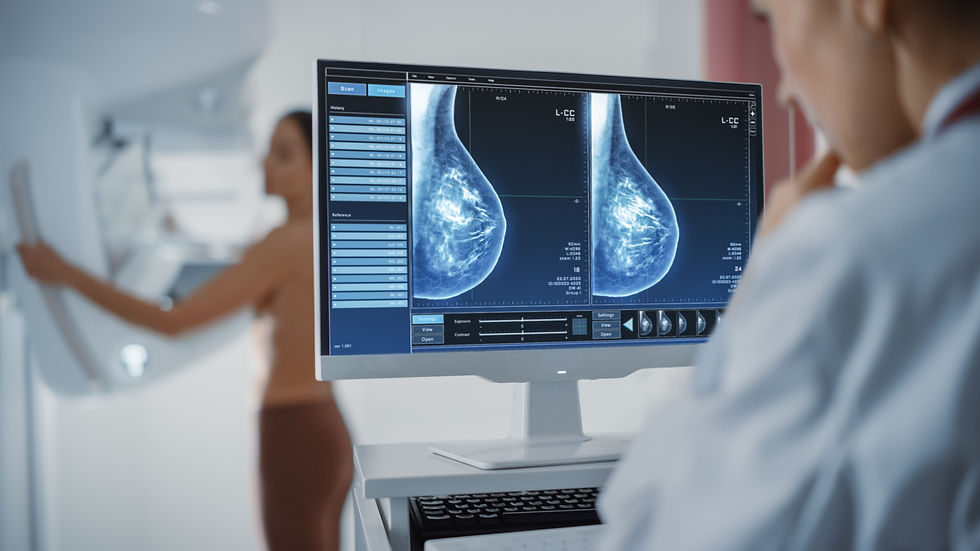
Breast cancer detection has made significant strides over the years, largely due to advances in imaging technology. High-quality mammography equipment plays a pivotal role in early diagnosis, increasing the chances of successful treatment and improving patient outcomes. In this article, we’ll explore how advanced imaging technology supports breast cancer detection and why the quality of imaging systems is essential in delivering accurate, dependable results.
1. The Role of Advanced Imaging in Detecting Early Signs of Cancer
The ability to detect breast cancer at its earliest stages is critical for effective treatment. High-quality imaging technology provides the clarity needed to identify even the smallest abnormalities in breast tissue, which can make a life-saving difference in early detection. Unlike older systems, today’s advanced mammography machines offer enhanced resolution and contrast, allowing radiologists to detect changes in tissue that may not be visible with standard equipment.
For healthcare providers, investing in high-quality imaging technology means they are better equipped to identify early signs of cancer, leading to more timely diagnoses and a greater chance of positive outcomes.
2. Reducing False Positives and Unnecessary Anxiety
False positives in mammography can lead to unnecessary worry for patients, as well as additional, often invasive, follow-up tests. High-quality imaging technology helps reduce the likelihood of false positives by providing clearer, more accurate images. Modern systems are designed to differentiate between benign and potentially malignant tissue more effectively, allowing radiologists to make better-informed interpretations.
By minimizing false positives, advanced mammography equipment not only reduces patient stress but also supports more efficient use of healthcare resources, enabling providers to focus their time and efforts on patients who truly need further investigation.
3. Improved Diagnostic Confidence Through Enhanced Image Clarity
When it comes to diagnosing breast cancer, confidence in the results is paramount. High-quality imaging systems produce clearer, more detailed images, which can help radiologists assess findings with greater accuracy. Imaging technology with high spatial and contrast resolution enables a more comprehensive view of breast tissue structures, empowering radiologists to interpret complex cases more confidently.
For patients, this improved diagnostic confidence translates to reliable results, less need for repeat imaging, and quicker access to necessary treatment, contributing to a smoother diagnostic experience.
4. Monitoring Subtle Changes Over Time
For patients with a history of breast abnormalities, monitoring subtle changes over time is essential. Advanced imaging technology in mammography makes it easier for radiologists to compare current and past scans, identifying small shifts in breast tissue that could indicate early signs of cancer progression. High-quality imaging provides the consistency needed to track these changes accurately, ensuring that nothing is overlooked.
This capability is particularly valuable for patients in long-term screening programs, where consistent, reliable imaging is critical for ongoing monitoring and early detection.
5. Supporting a Standard of Excellence in Patient Care
When healthcare facilities invest in high-quality mammography imaging technology, they demonstrate a commitment to excellence in patient care. Today’s patients are increasingly aware of the importance of diagnostic quality and appreciate facilities that prioritize advanced equipment. By using state-of-the-art mammography systems, providers can ensure they are offering the best possible care, fostering patient trust and satisfaction.
Investing in high-quality imaging technology is more than a technical choice—it’s a statement of dedication to providing thorough, precise care that meets modern healthcare standards.
Conclusion
In breast cancer detection, the quality of imaging technology directly impacts diagnostic accuracy, patient experience, and overall outcomes. As imaging systems continue to advance, healthcare providers that prioritize high-quality technology are better positioned to offer patients the timely, accurate care they need.
At Precision MammoCare, we understand that high-quality imaging technology is essential for effective breast cancer detection. Our preventative maintenance services help ensure that mammography equipment remains reliable, delivering clear, accurate images every time. If your facility is looking to maintain peak performance and provide the highest standard of care, contact Precision MammoCare today to learn how we can support your mammography equipment’s quality and dependability.


